
Understanding Burnout in Healthcare: Recognise the Early Signs of Burnout in Health Care and Take Action

Updated: Sep 17, 2025

I. Introduction
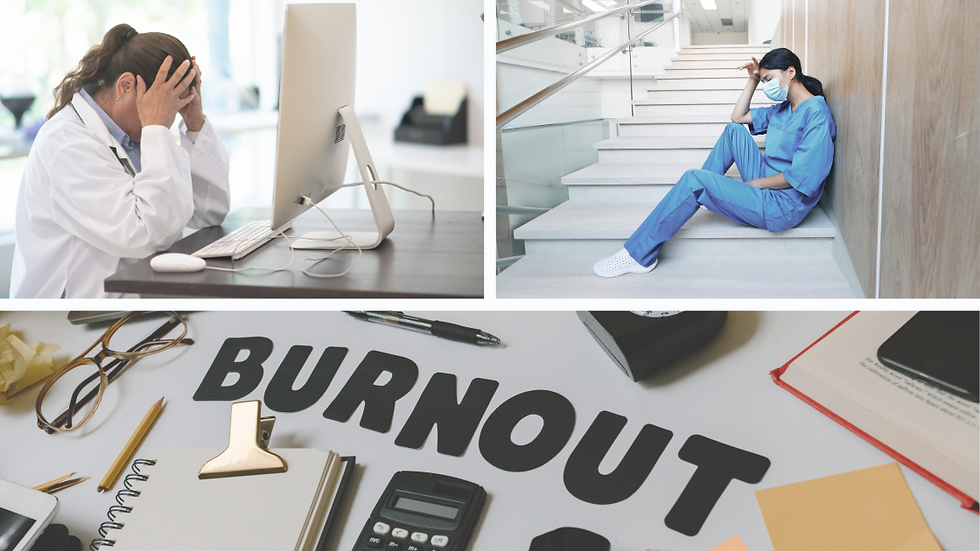
Burnout has become an all-too-common reality in healthcare. Long hours, high emotional stakes, and constant demands leave many professionals physically drained, emotionally depleted, and mentally exhausted.
But here's the truth — burnout rarely strikes overnight. It builds up gradually, often slipping under the radar until it starts to impact your performance, relationships, and overall wellbeing. That's why recognising the Early Signs of Burnout in Health Care is crucial. Noticing them early empowers you to act before they take a real toll on your life and career.
Let's explore some of the subtle (and not-so-subtle) warning signs of burnout and how understanding your wellness profile with tools like MarisGraph can help protect your health and longevity in your career.
What Is Burnout?
Burnout is a state of chronic physical and emotional exhaustion, often paired with cynicism, detachment, and a growing sense of reduced accomplishment. While burnout can happen in any profession, healthcare workers are at unique risk due to high-pressure environments and the emotional demands of patient care.
In healthcare, this exhaustion builds from relentless exposure to life-and-death decisions, where empathy is both a strength and a vulnerability, leading to a profound sense of depletion that no single vacation can fully replenish.
Cognitively, burnout distorts self-perception, making accomplished professionals like nurses or doctors feel like impostors, as their internal narrative shifts from "I'm making a difference" to "Nothing I do matters anymore."
The emotional toll can erode resilience, turning passionate caregivers into detached observers, which not only affects patient outcomes but also personal wellbeing, fostering isolation in a field that thrives on teamwork.
Addressing this early through CBT techniques, such as journaling distorted thoughts, can help reframe cynicism into balanced perspectives, restoring a sense of purpose before detachment becomes habitual.
The World Health Organisation officially recognises burnout as an "occupational phenomenon" — the result of unmanaged, chronic workplace stress.
This recognition validates the experiences of healthcare workers, emphasising that burnout isn't a personal failing but a systemic issue rooted in understaffed wards, endless shifts, and administrative burdens that amplify stress.
In cognitive terms, unmanaged stress reinforces negative thought loops, like catastrophising ("This shift will break me"), which heightens emotional exhaustion and reduces problem-solving abilities in critical moments.
By framing burnout as occupational, it encourages institutional changes, such as better support systems, while empowering individuals to challenge self-blaming thoughts and seek proactive interventions like mindfulness-based stress reduction.
For health care professionals, this classification underscores the need for boundaries, as chronic stress can lead to higher error rates in patient care, compromising safety and professional integrity.
Ultimately, acknowledging this phenomenon shifts the focus from endurance to prevention, helping workers reclaim agency through cognitive restructuring to build sustainable coping mechanisms.
II. Early Signs of Burnout in Health Care You Shouldn’t Ignore
1. Constant Fatigue That Rest Doesn't Fix
Feeling tired after a long shift is normal. However, if you're constantly exhausted, even after taking time off, that's a red flag. This isn't just physical tiredness; it's mental, emotional, and persistent.
In healthcare, this fatigue often stems from the cumulative weight of back-to-back emergencies, where even weekends off fail to recharge because the mind remains hyper-vigilant, replaying patient cases or anticipating the next crisis.
Cognitively, it signals a depletion of mental resources, leading to rumination—endless "what if" thoughts about past shifts—that drains energy and impairs focus during procedures or consultations.
The impact extends to personal life, where exhaustion erodes relationships, as a fatigued doctor or nurse might withdraw from family, perpetuating a cycle of isolation and resentment.
Ignoring this can escalate to full-blown adrenal fatigue, increasing susceptibility to errors like misdiagnoses, which not only risks patient harm but also intensifies self-doubt and guilt.
CBT interventions, such as scheduling deliberate "worry time" to contain rumination, can help break this cycle, restoring energy and preventing fatigue from becoming a chronic barrier to joy in your profession.
2. Emotional Detachment from Patients and Colleagues
Are you becoming cynical or emotionally numb toward patients or coworkers? This distancing is your mind's defence mechanism when it's overwhelmed. If left unchecked, it can lead to compassion fatigue and strained relationships.
For healthcare workers, this detachment often emerges as a shield against repeated trauma, like losing patients or dealing with aggressive families. Still, it subtly erodes the empathy that defines compassionate care.
Cognitively, it involves negative filtering—focusing only on failures or frustrations—which transforms supportive colleague interactions into sources of irritation, fostering a toxic work environment.
The ripple effect includes diminished team morale, where a detached physician's cynicism spreads, leading to higher turnover rates and compromised collaborative care in multidisciplinary settings.
Over time, this numbness can invade personal identity, making it hard to connect authentically outside work, resulting in loneliness and a loss of fulfilment from what was once a calling.
Reframing through CBT, such as practising gratitude journaling for positive patient interactions, can rebuild emotional connections, mitigate compassion fatigue and restore relational harmony.
3. Decline in Work Performance and Focus
Struggling to concentrate, making more mistakes, or feeling like you're running on autopilot? Burnout clouds your thinking, impacts decision-making, and drains your motivation.
In high-stakes healthcare roles, this decline manifests as "brain fog" during diagnostics or surgeries, where once-sharp focus gives way to distractions, potentially leading to oversights in treatment plans.
Cognitively, it reinforces a cycle of self-criticism, with thoughts like "I'm not cut out for this," which further erodes confidence and motivation, turning routine tasks into overwhelming burdens.
The broader impact includes increased medical errors, which not only jeopardise patient safety but also invite legal and ethical scrutiny, heightening anxiety for already stressed professionals.
Motivation drain can lead to procrastination on administrative duties, like charting, which compounds the workload and creates a backlog that perpetuates the burnout loop.
CBT strategies, such as breaking tasks into small, achievable steps and challenging perfectionist thoughts, can sharpen focus, rebuild motivation, and enhance overall performance resilience.
4. Frequent Physical Ailments
Chronic stress often shows up physically. Recurring headaches, muscle tension, digestive issues, or frequent colds can all be signs of burnout.
Healthcare workers, constantly exposed to pathogens and high cortisol levels from shift work, may notice these ailments as the body's alarm system, signalling that emotional overload is weakening the immune response.
Cognitively, dismissing these symptoms as "just part of the job" normalises neglect. Still, it actually amplifies stress through a feedback loop where physical pain fuels negative thoughts like "I can't keep up."
The consequences extend to absenteeism, where frequent illnesses force time off, straining understaffed teams and increasing guilt for those left behind in busy wards.
Over time, untreated ailments can evolve into severe conditions like hypertension or autoimmune issues, shortening careers and diminishing quality of life outside medicine.
Addressing this via CBT-integrated wellness plans, such as body scans to identify tension and reframe stress as a cue for self-care, can interrupt the cycle, promoting physical recovery and emotional balance.
5. Loss of Joy or Passion for Your Work
Does the passion that once fuelled your career feel distant? When you start dreading shifts or feeling indifferent, it's time to check in with yourself.
In healthcare, this loss often creeps in after years of unaddressed demands, where the thrill of saving lives fades into indifference, leaving professionals questioning their purpose amid bureaucracy and burnout.
Cognitively, it involves overgeneralisation—extending one tough week to "This job is always draining"—which extinguishes intrinsic motivation and replaces it with dread, making even rewarding moments feel hollow.
The impact ripples into professional stagnation, where a passionless nurse or surgeon might avoid skill-building opportunities, leading to outdated practices and reduced patient satisfaction.
Personally, this indifference can spill over into hobbies and relationships, creating a pervasive sense of emptiness that erodes overall life satisfaction and increases vulnerability to depression.
Reviving passion through CBT techniques, like identifying core values and setting small, value-aligned goals (e.g., mentoring a new colleague), can reignite joy, fostering a sustainable career path in healthcare.

III. Why It’s Crucial to Recognise These Signs Early
Recognising the early signs of burnout is crucial because ignoring them can lead to a significant deterioration in both physical and mental health, adversely affecting personal wellbeing and professional performance. Research indicates that unmanaged burnout is associated with increased risks of depression, cardiovascular issues, and weakened immune function, highlighting the importance of early intervention (Shanafelt et al., 2017). Additionally, failure to address these symptoms can impair cognitive functioning, diminish job satisfaction, and compromise patient safety, particularly in healthcare settings where emotional resilience is vital (West et al., 2018).
Early recognition allows individuals to seek appropriate support, implement coping strategies, and modify workload or work environment proactively—measures shown to mitigate burnout progression and foster sustainable work engagement (Dyrbye et al., 2020). Therefore, timely identification of burnout symptoms is essential not only for preserving health but also for maintaining the quality of care and professional efficacy.
IV. How MarisGraph Supports Your Wellness Journey
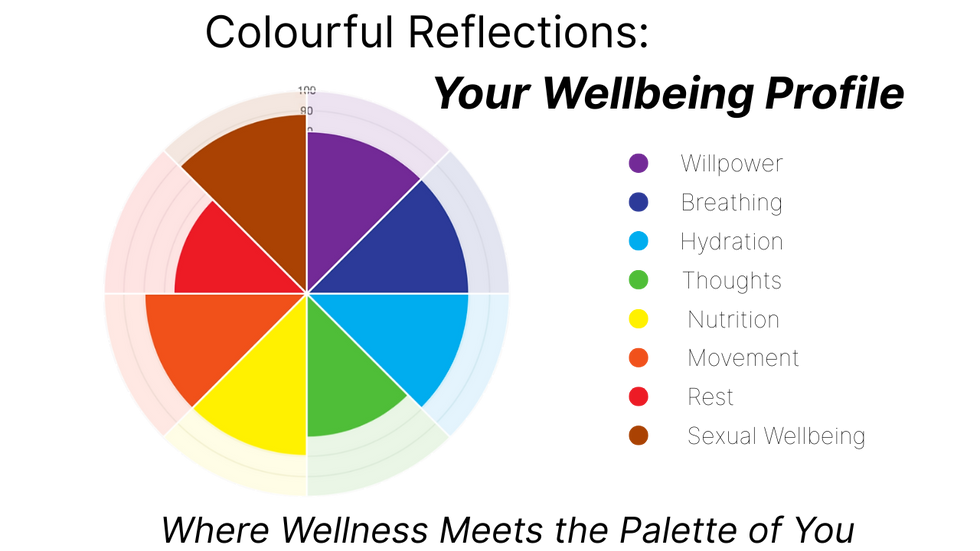
At MarisGraph, we believe burnout prevention begins with self-awareness. Our wellness assessment tool offers healthcare professionals a clear, personalised view of their wellbeing across the 8 Pillars of Wellness:
Willpower
Breathing
Hydration
Thoughts
Nutrition
Movement
Rest
Sexual Wellbeing
With insights into your unique wellness profile, you can take proactive steps to restore balance, prevent burnout, and build lasting resilience — before the warning signs overwhelm you.
With MarisGraph, you’ll gain:
A personalised wellbeing report
Actionable tips based on your results
Exclusive wellness resources to support your journey
Don’t Wait for Burnout to Take Over
You give your best to others every day. It’s time to invest in your wellbeing, too. Start by taking the MarisGraph Wellness Assessment today.
🔗 Discover your wellness blueprint: https://www.e7doc.com/initial-assessment
Your wellness is your greatest asset — protect it.
MarisGraph: Simplifying Wellness, Empowering You.
Clarity, confidence, and a personalised path to balance — because your wellbeing matters.
Exclusive Offer for Blog Readers
As a special thank-you for reading this blog, we’re excited to offer MarisGraph for just $US 30.00—an incredible 50% discount! Don’t miss this opportunity to take the first step toward a healthier, more balanced life at an unbeatable price. Subscribe now to receive your exclusive 50% off code!
Don’t let the overwhelming wellness market hold you back. With MarisGraph, you’ll have the clarity, confidence, and tools to prioritise your health and achieve your goals. Act now—this exclusive $US 30.00 offer is only available for a limited time. Your journey to holistic wellness starts here.
References:
- Dyrbye, L. N., Shanafelt, T. D., Sinsky, C. A., et al. (2020). Burnout among health care professionals: A call to action.
- Shanafelt, T. D., Goh, J., & Sinsky, C. (2017). The business case for investing in clinician wellbeing. NIH PUBMED
- West, C. P., Dyrbye, L. N., & Shanafelt, T. D. (2018). Physician burnout: contributors, consequences and solutions. *Journal of Internal Medicine*,

$50
Product Title
Product Details goes here with the simple product description and more information can be seen by clicking the see more button. Product Details goes here with the simple product description and more information can be seen by clicking the see more button

$50
Product Title
Product Details goes here with the simple product description and more information can be seen by clicking the see more button. Product Details goes here with the simple product description and more information can be seen by clicking the see more button.
$50
Product Title
Product Details goes here with the simple product description and more information can be seen by clicking the see more button. Product Details goes here with the simple product description and more information can be seen by clicking the see more button.


Comments