


 Insight
You’re navigating endless shifts, life-or-death decisions, and the emotional weight of patient care, only to collapse at day’s end, wondering if you’ve lost yourself somewhere along the way. But what if the first step to reclaiming your vitality isn’t another gruelling self-help regimen, but a simple, visual map of your inner world? Discovering your own wellbeing profile isn’t just insightful; it can be transformative, revealing the subtle cracks in your resilience before they become chasms. Even before you start, imagine the practical benefits: more consistent energy, fewer mistakes at work, and a renewed sense of control in and out of the hospital.
To take action right now, try completing a quick self-check, such as the free wellbeing assessment linked below. It only takes a few minutes, and the instant feedback can help you identify one area to focus on today.
Ready to see what’s underneath?
The Power of Self-Awareness in a High-Stakes World
Your Personalised Dashboard
As a healthcare professional, you’re wired to check vital signs on everyone but yourself. A wellbeing profile works like a personalised dashboard for your mental, emotional, and physical state. When you use it, you’ll complete a brief self-report survey, answering targeted questions about recent stress, energy, mood, and daily habits. All data is based on your own reflections, without requiring wearable devices or outside tracking. Your responses are then turned into simple graphs and trend lines that highlight your current stress levels, emotional exhaustion scores, and key areas of strength. To protect your privacy, your wellbeing information is stored securely, is never shared with employers or third parties, and is used only to provide you with personalised feedback. In peer forums, your identity is always kept private by default. Group discussions do not reveal individual wellbeing results, and you control what information you choose to share. No data from the profile or discussions is ever made accessible to your employer or used for performance evaluation. All personal data is encrypted using industry-standard protocols such as AES-256, and handled confidentially according to healthcare privacy standards. User data is retained only for as long as you actively use the service, and you can request deletion of your personal information at any time. Over time, you can track how these measures improve or decline, making it easy to spot risk areas before they spiral into full-blown burnout.
From Abstract Feelings to Visual Insight
Burnout has long been described as a silent epidemic in healthcare, but naming it is not the same as seeing it. Tools like MarisGraph turn abstract feelings into visual insight, making it easier to recognise early signs of exhaustion such as persistent fatigue, cynicism, or detachment that might otherwise go unnoticed until they've already taken hold. While most wellbeing apps offer general stress tracking and mood journaling, they are often designed with a one-size-fits-all approach that overlooks the specific pressures of clinical work. MarisGraph is built from the ground up for clinicians, reflecting the unpredictable schedules, emotional complexity, and high-stakes decisions that define healthcare roles. Features like real-time stress mapping after each shift, peer benchmarking with other clinicians, and guidance anchored in clinical realities set it apart from more generic platforms. There is a particular kind of relief in knowing you can intervene before that point. It is important to be upfront that MarisGraph itself has not yet been evaluated in published clinical studies; instead, its approach is grounded in the growing body of occupational health research about self-awareness and visual profiling tools. This means the evidence for MarisGraph draws from research on similar digital interventions, not direct studies of this platform. For instance, a 2022 randomised clinical trial by Sexton and colleagues found that web-based, visually-driven wellbeing interventions significantly reduced perceived stress and improved resilience for healthcare workers. MarisGraph’s approach has also been endorsed by leading experts in clinician wellbeing, providing further reassurance that its methods are based on practices supported in evidence-based research. At the same time, ongoing independent research is a top priority. MarisGraph is establishing a two-year evaluation partnership with one of Australia's leading universities to rigorously assess its impact on compassion fatigue and wellbeing outcomes in real clinical settings. We invite clinicians to follow this process or participate directly in the study as recruitment opens, helping shape the future of evidence-based wellbeing tools for healthcare professionals.
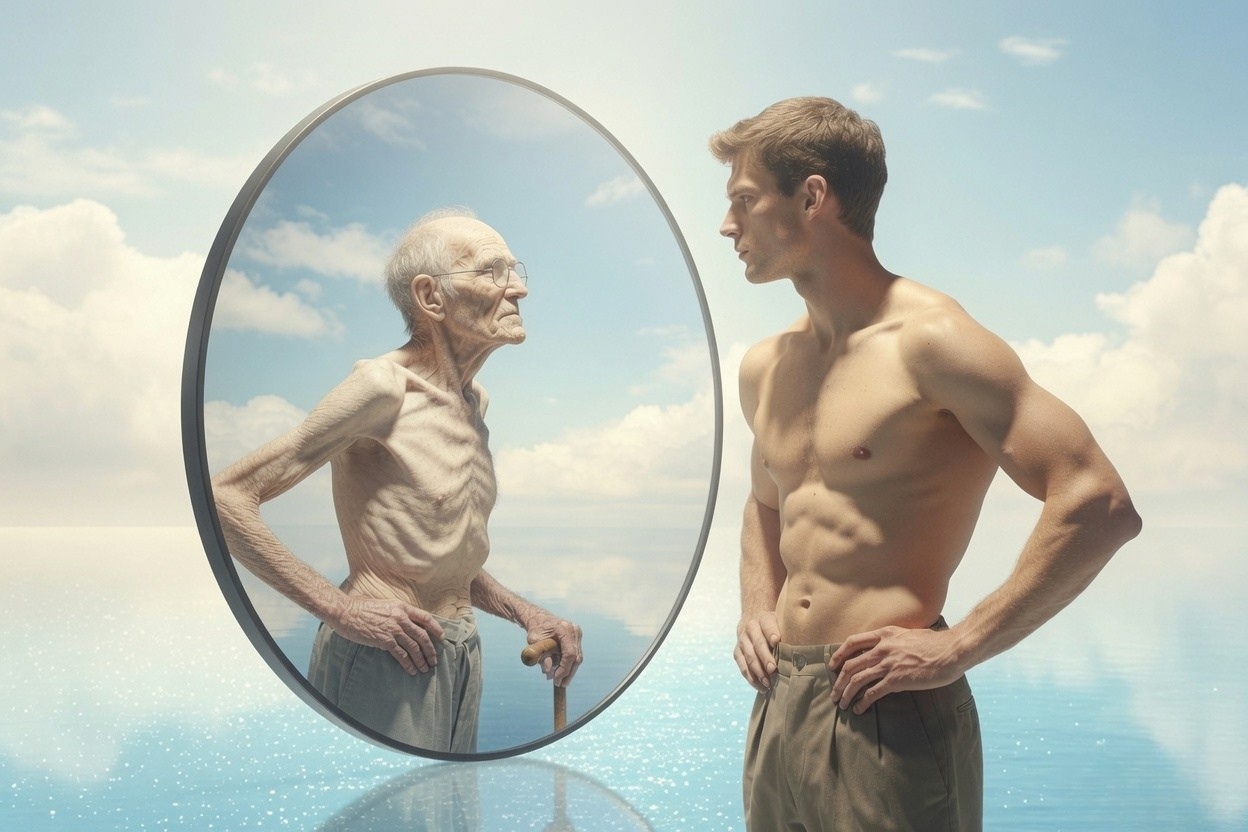
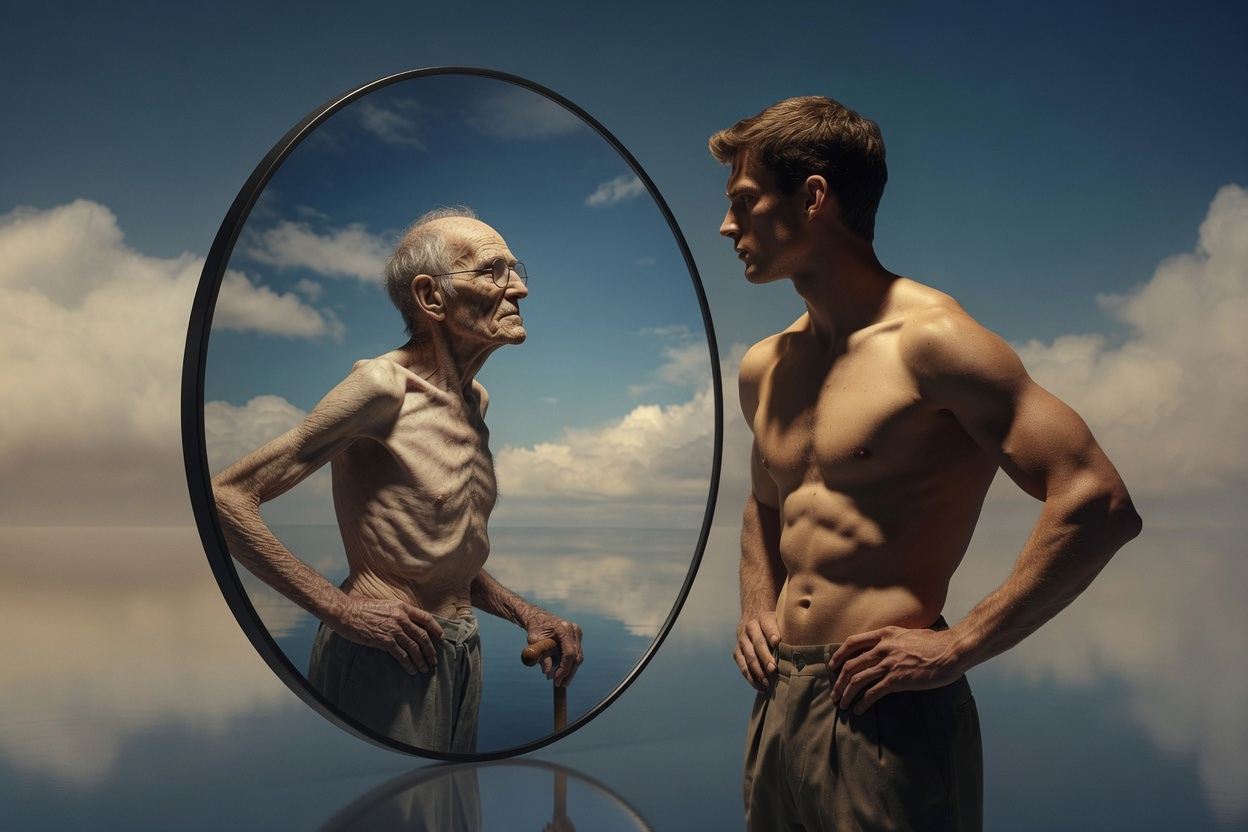
A Mirror to Your Inner Balance
In clinical practice, clients who visualise their own wellbeing profile often describe a profound shift — something closer to holding up a mirror to their inner balance than filling out another form. The self-discovery isn’t just diagnostic. It’s the starting point for data-driven strategies that rebuild resilience and support a healthier, more sustainable career.


Why MarisGraph Is Your Guide to Wellbeing Discovery
Here’s how it works, and why it matters:
Visualise your inner landscape. MarisGraph turns complex emotions into easy-to-understand visuals — a colour-coded stress map, a line graph of emotional fluctuation over time — helping you spot imbalance at a glance instead of ignoring that nagging sense of depletion.
Recognise early warning signs. Pinpointing emotional exhaustion early means you can intervene before it affects your performance or your personal life, catching compassion fatigue before it hardens into detachment from patients or colleagues. For a simple first step, try completing the assessment after your next shift, when everything is still fresh in your mind. You might be surprised at what you discover.
Move from insight to action. The tool doesn’t stop at diagnosis. It guides you through practical next steps across all 8 Pillars: mindfulness practices, boundary-setting, and stress management tailored to the specific demands of clinical work. For example, after noticing an energy dip on your profile, you might try a simple 2-minute box breathing exercise between patient rounds (inhale for four counts, hold for four, exhale for four, hold for four). Picture this: after an intense code blue, you check your wellbeing dashboard and see elevated stress. You take a minute in the supply room to do box breathing before heading back to the unit. Or perhaps after debriefing a difficult family conversation, your profile signals emotional fatigue related to blurred boundaries. In that moment, you put into practice a boundary-setting script like: "I want to give my best care, so I need to take my scheduled break now. I'll return in fifteen minutes, and we can continue then." Another common scenario: you notice that skipped hydration shows up consistently after double shifts. So you fill up your water bottle at the start of each shift as a preventive step. You could also set a quick phone reminder to stretch between tasks, or jot down one thing you did well today to reinforce progress. Another easy action is to use a one-minute tension release scan: close your eyes, notice where you feel the most tension, and deliberately relax that spot for a few breaths. By pairing insight with small, tangible actions in the actual flow of clinical work, the tool makes it easier to turn awareness into real change.
Join people who understand the grind. You’re not doing this alone. MarisGraph connects you with a community of peers navigating the same shifts and pressures, offering dedicated forums for open discussion, group check-in sessions, and a resource library shared by and for clinicians. The peer forums are moderated by experienced clinician facilitators who actively uphold a respectful, inclusive environment, where any form of unkind or unprofessional behaviour is addressed promptly. Clear community guidelines set expectations for confidentiality, privacy, and respectful dialogue, so every clinician can participate safely and openly. Anonymous posting options, encrypted connections, and rapid response to any concern are in place to help protect your information and sense of security as you engage. If a participant ever experiences unkind behaviour or has a privacy concern, they can report it directly through a simple in-platform tool. Reports are reviewed quickly, with moderators taking immediate steps to investigate and resolve the issue—this may include warnings, temporary suspensions, or removal of individuals who violate community standards. These safeguards make it easy to find support, exchange tips, and remind each other that self-care is a shared priority.
Investing in Yourself Is Part of the Job
Prioritising your wellbeing isn’t selfish — it’s part of what sustains excellent patient care over the long run. Discovering your profile isn’t only an investment in your own resilience; it’s an investment in the quality of care you’re able to keep giving.
Real Stories from the Frontline
Michelle’s Story
Consider Michelle, an ER nurse working through back-to-back traumas, perpetually drained but unable to pinpoint why. Using MarisGraph, she visualised her wellbeing profile and realised her stress was peaking around two specific patterns: irregular sleep and skipped breaks. With that clarity, she made small, targeted changes — scheduled downtime, peer check-ins — and reported renewed energy and better patient interactions within weeks.
Her story is a reminder that discovering your profile isn’t a one-time event. It’s an ongoing practice that adapts as your circumstances do.
What a Profile Can Reveal
Four things a visual wellbeing profile is designed to surface before they become bigger problems:
Sleep and recovery patterns that are quietly out of sync with your schedule.
Stress peaks tied to specific shifts, roles, or recurring situations — not just “everything, all the time.”
Early emotional exhaustion signals, often visible in a profile well before they’re visible to you.
Skipped self-care habits — breaks, hydration, movement — that compound silently over weeks.


Quote
Self-awareness tools like visual wellbeing profiles have been linked in occupational health research to meaningful reductions in perceived stress among high-demand professions. For healthcare workers specifically, that tends to translate into fewer errors, stronger teams, and a fuller life outside the hospital walls.


“It’s like holding up a mirror to your inner balance, revealing patterns you didn’t know existed. This self-discovery isn’t just diagnostic — it’s empowering.”
— Patricia Maris, Founder
The Evidence Behind This
The research above doesn't study MarisGraph directly — no published trial has yet evaluated this specific tool, and we want to be upfront about that. What these studies do show is a growing, credible evidence base for the category of approach MarisGraph sits within: self-awareness practices, early detection of emotional exhaustion, and brief, accessible interventions are consistently associated with meaningful reductions in burnout and compassion fatigue among nurses and other healthcare workers. We share these studies not as proof of any single tool's effectiveness, but as the research foundation that shaped why we built MarisGraph the way we did — visual, fast, and grounded in what the evidence says actually helps.
Looking ahead, we're working to close that gap directly. MarisGraph is establishing a two-year research partnership with one of Australia's leading universities to independently evaluate the tool's real-world impact on compassion fatigue and wellbeing outcomes among practising clinicians. The study, internally known as Project C600, is designed to follow outcomes over time and across multiple healthcare settings, rather than relying on a single short pilot—so the evidence reflects how MarisGraph performs in the environments it's actually built for. We'll share the university partner's name, the study's methodology, and its findings publicly as each stage is formally confirmed.
If you're a healthcare professional interested in helping shape this research — whether by sharing your experience with MarisGraph now or registering interest for when recruitment opens — we'd welcome hearing from you. This is meant to be a collaborative process, built by and for the clinicians who'll actually use it.