

 Nutrition
Long shifts ask a lot of your brain and body. What you eat, and when, can mean the difference between running on fumes and staying steady. This article covers simple ways to eat for energy and focus, which nutrients are linked to alertness, and how to make it work on a busy shift.
Most clinicians know what a balanced diet looks like. The hard part is doing it at 3 am between patients. So this guide keeps things practical.
Why food matters on shift
What is happening. Nutrition is how food and drink fuel your body. Nutrients give you energy, help repair tissue and support your immune system. A balanced eating pattern is linked with a lower risk of long-term conditions such as heart disease and type 2 diabetes.
Why it matters. Skipping meals and relying on sugary quick fixes can leave you tired and unfocused, which matters in a job that requires clear thinking. An energy drink or a sweet snack often gives a short lift, followed by a slump.
What helps. Aim for steady, not sudden. Regular meals and snacks with protein, fibre, and slow-release carbohydrates keep energy steadier.
This is general information. If you have a medical condition, an allergy or special dietary needs, talk to your GP or an accredited practising dietitian.
Eat for steady energy
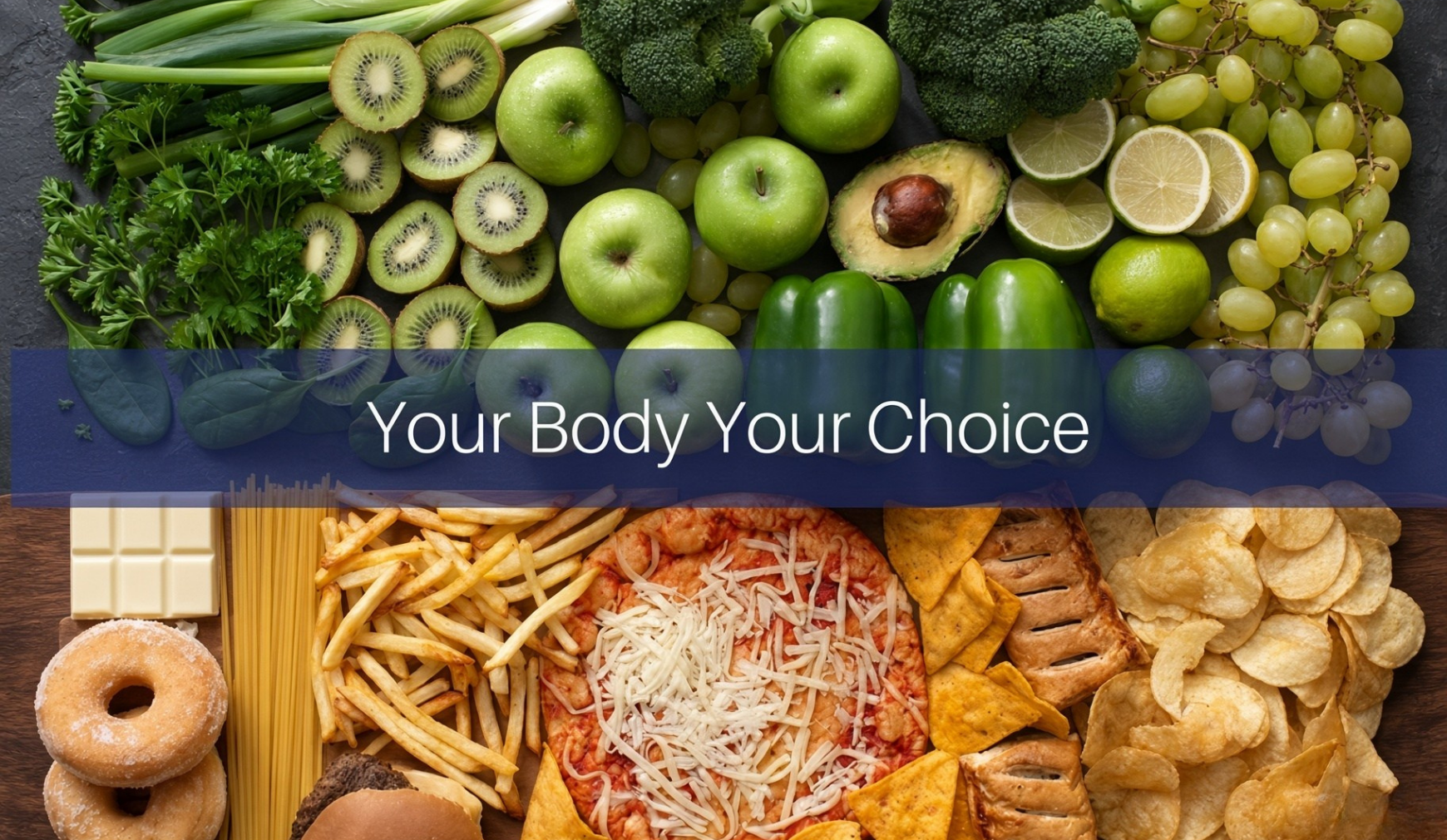
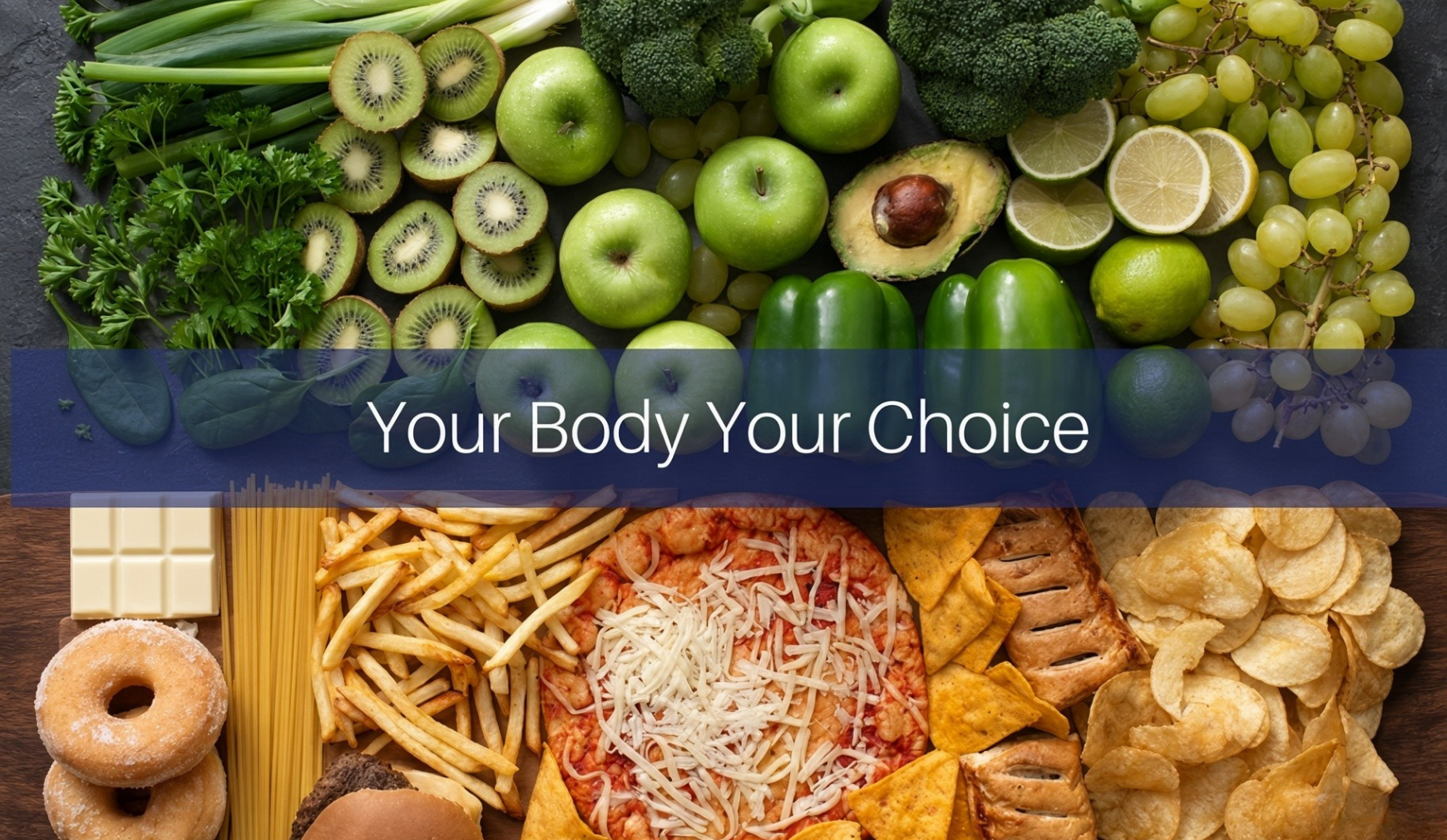
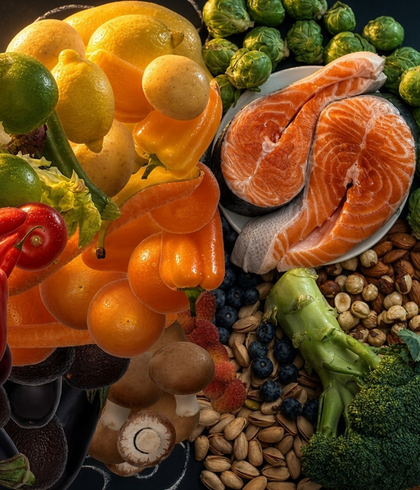
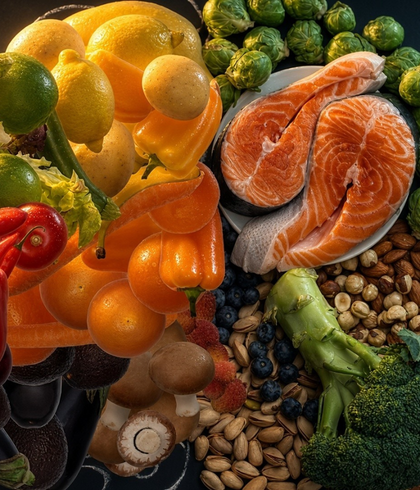
Build a balanced plate. The Australian Dietary Guidelines describe five food groups: vegetables and legumes; fruit; grain foods (mostly wholegrain); lean meat, fish, eggs, tofu, nuts and seeds; and milk, yoghurt, cheese or alternatives. Aim for variety and a mix of colours.
Know your three macronutrients. A balanced mix helps support clear thinking and steady energy.
Protein provides amino acids that build and repair muscle.
Carbohydrates give you energy. Wholegrain choices release it more slowly.
Fats slow digestion, so you feel full for longer.
Nutrients linked with alertness
Some vitamins and minerals help your body make and use energy. Eating a range of foods that contain them is linked with better concentration and less fatigue.
B vitamins help your body turn food into energy.
Iron carries oxygen around the body. Low iron is a common cause of tiredness.
Magnesium is involved in energy metabolism. It is found in nuts, seeds, legumes, whole grains and leafy greens.
Zinc supports your immune system. It is found in meat, seafood, legumes and seeds.
Vitamin D supports bone and muscle health. Sunlight is the main source, and a few foods contain some.
Omega-3 fats are found in oily fish such as salmon, as well as walnuts and flaxseeds.
Antioxidants such as vitamins A, C and E, and carotenoids, are found in colourful fruit and vegetables.
Good antioxidant-rich choices include carrots, oranges, strawberries, raspberries, blueberries, spinach, kale, sweet potato, walnuts, and small amounts of dark chocolate.
Food first. Leafy greens, beans, nuts, eggs, fish, and whole grains cover most of your needs. Vitamin B12 is the exception, as it is found only in animal foods and fortified foods.
Plant-based eaters. Calcium is also found in calcium-set tofu, fortified plant milks, tahini and sesame seeds, and leafy greens such as kale.
Notice how you feel. The same food can leave one person energised and another sluggish. Pay attention to how you feel an hour or two after a meal, and keep short notes for a week or two.
Go easy on caffeine and alcohol. Caffeine can boost alertness in the short term, but too much, or too late in your shift, can disturb sleep. Alcohol can also disrupt sleep. Water keeps you hydrated and helps you stay alert.
Do you need supplements?
What is happening? Omega-3, magnesium, and B vitamins are often marketed to boost focus and energy. For people who already eat well, the evidence that supplements sharpen thinking is mixed.
Why it matters. Supplements can help when you have a real shortfall, such as low iron or B12, or if you follow a vegan diet. High doses can also cause problems.
What helps. Speak to your GP or an accredited practising dietitian before starting any supplement. A blood test can show whether you are actually low in something.
Not all foods are equal
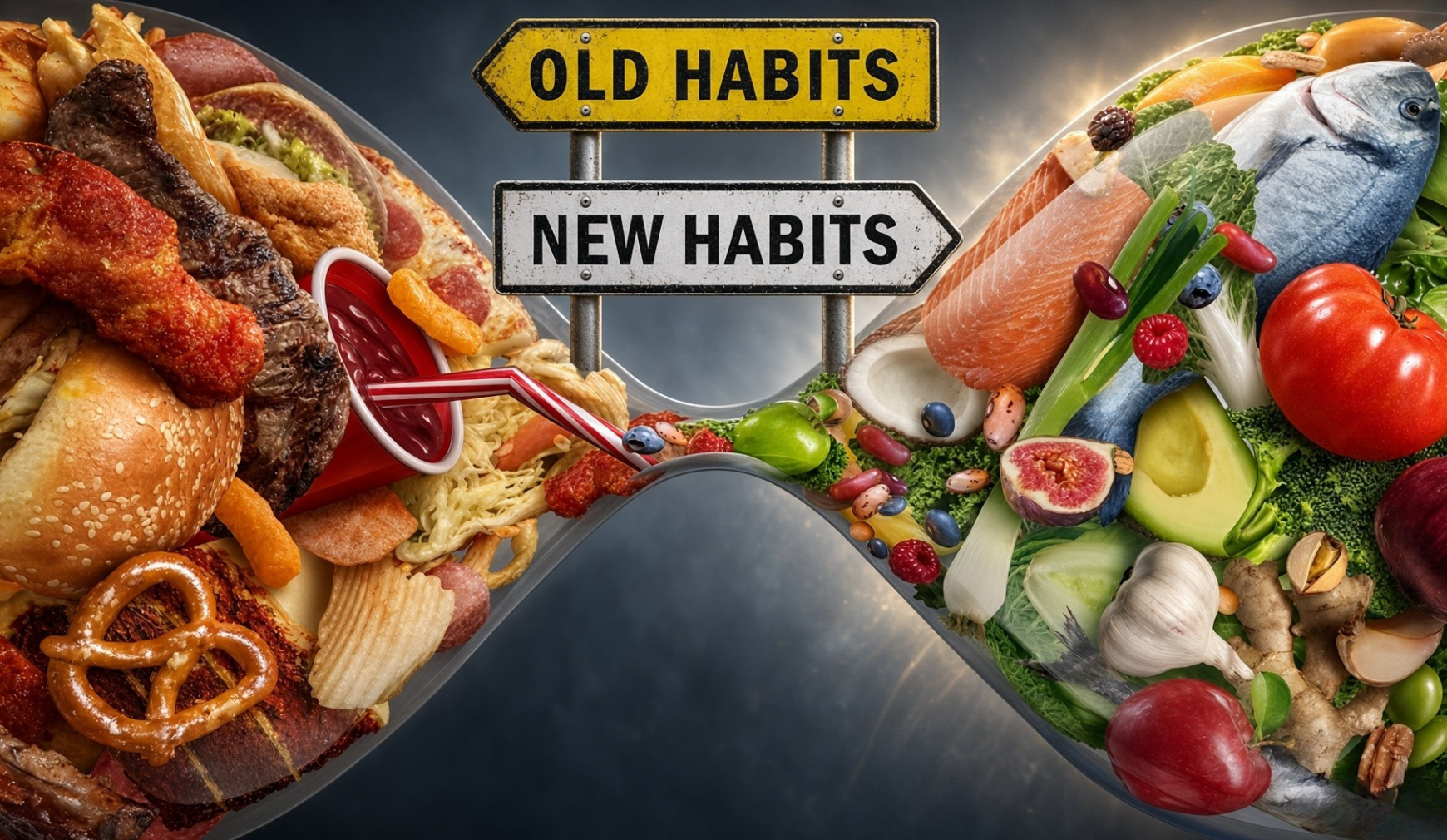
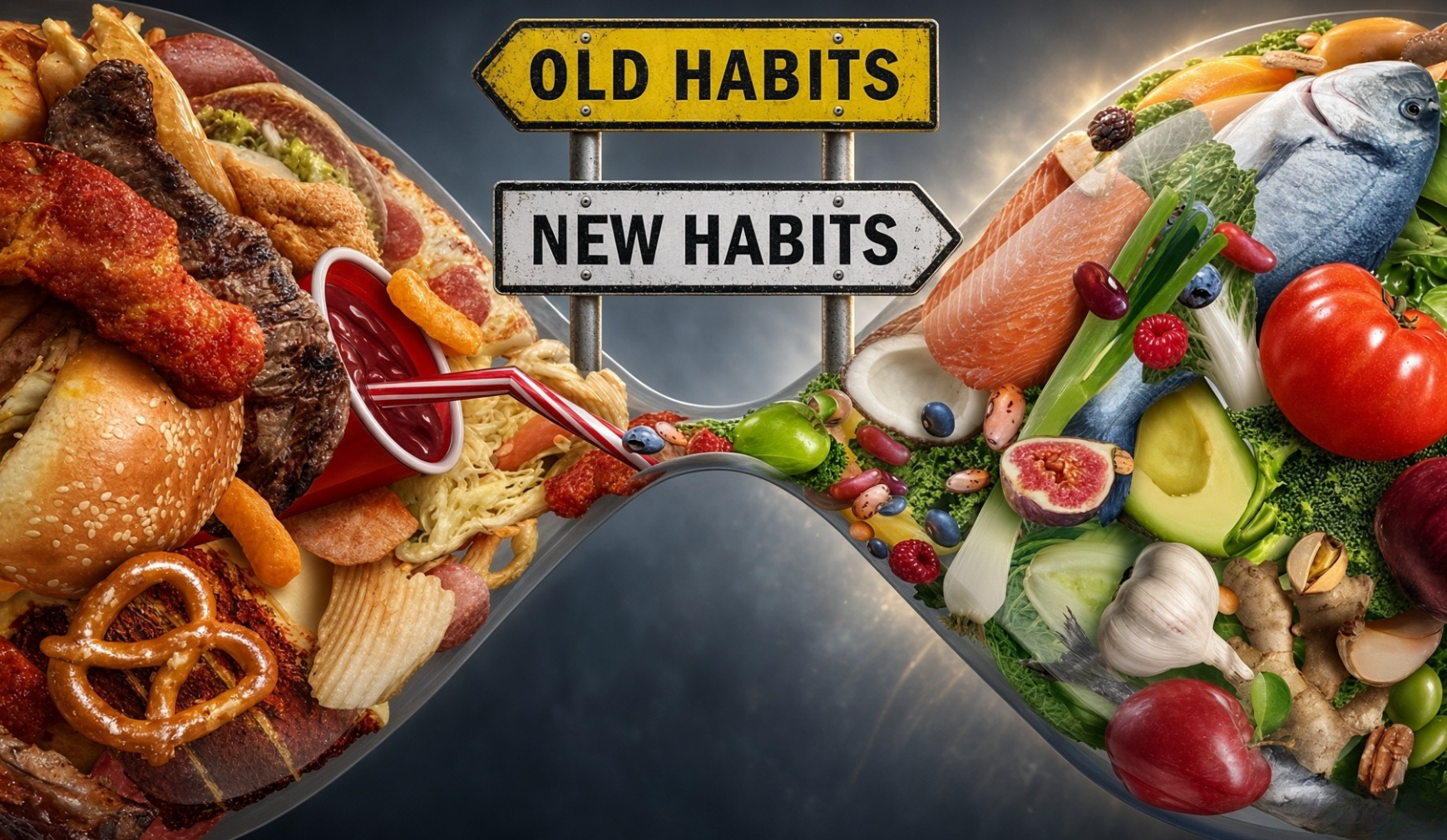
What is happening. Ultra-processed foods are convenient and cheap, but often high in added sugar, salt, and saturated fat. Some studies suggest that people who eat a lot of them tend to eat more energy overall and are more likely to gain weight.
Why it matters. They can crowd out foods that provide steady energy and nutrients.
What helps. Swap rather than ban. Choose fruit and nuts instead of lollies, a wholegrain sandwich instead of a pastry, and plain yoghurt with fruit instead of a sweetened dessert.
Why shifts make it harder
Breaks disappear. Busy wards, missed meal breaks, and late finishes push eating down the list. By the time you stop, you are ravenous and reach for whatever is closest.
Night shifts upset the body clock. Hunger and cravings can feel different at night. Many people find a lighter meal easier to manage in the early hours than a heavy one.
Tiredness drives cravings. When you are tired, sugary and salty foods can look more appealing. Planning ahead makes the better choice the easy one.
Leaders can help. Protect meal breaks, keep healthy options in the staff room, and make it normal to stop and eat.
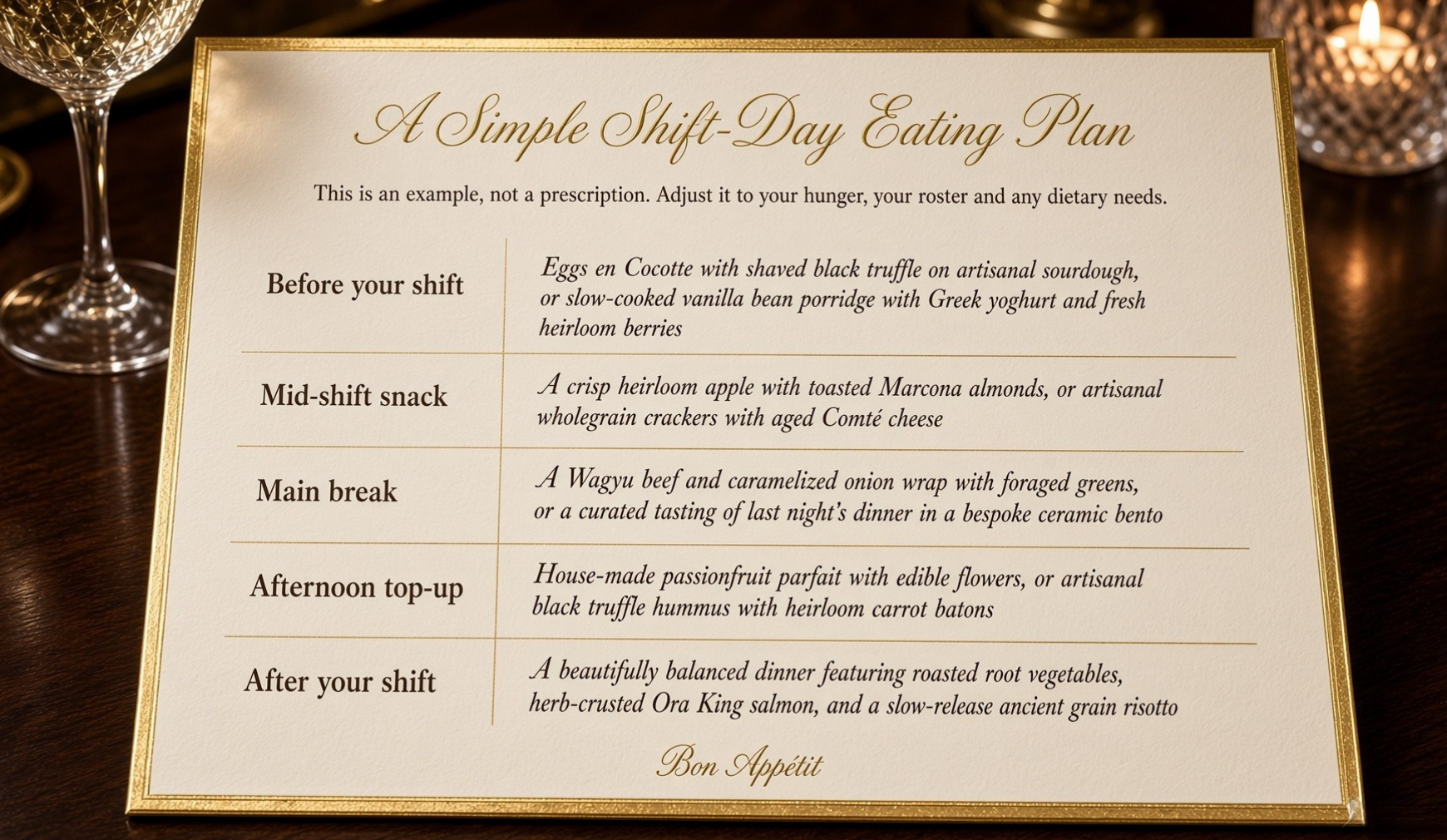
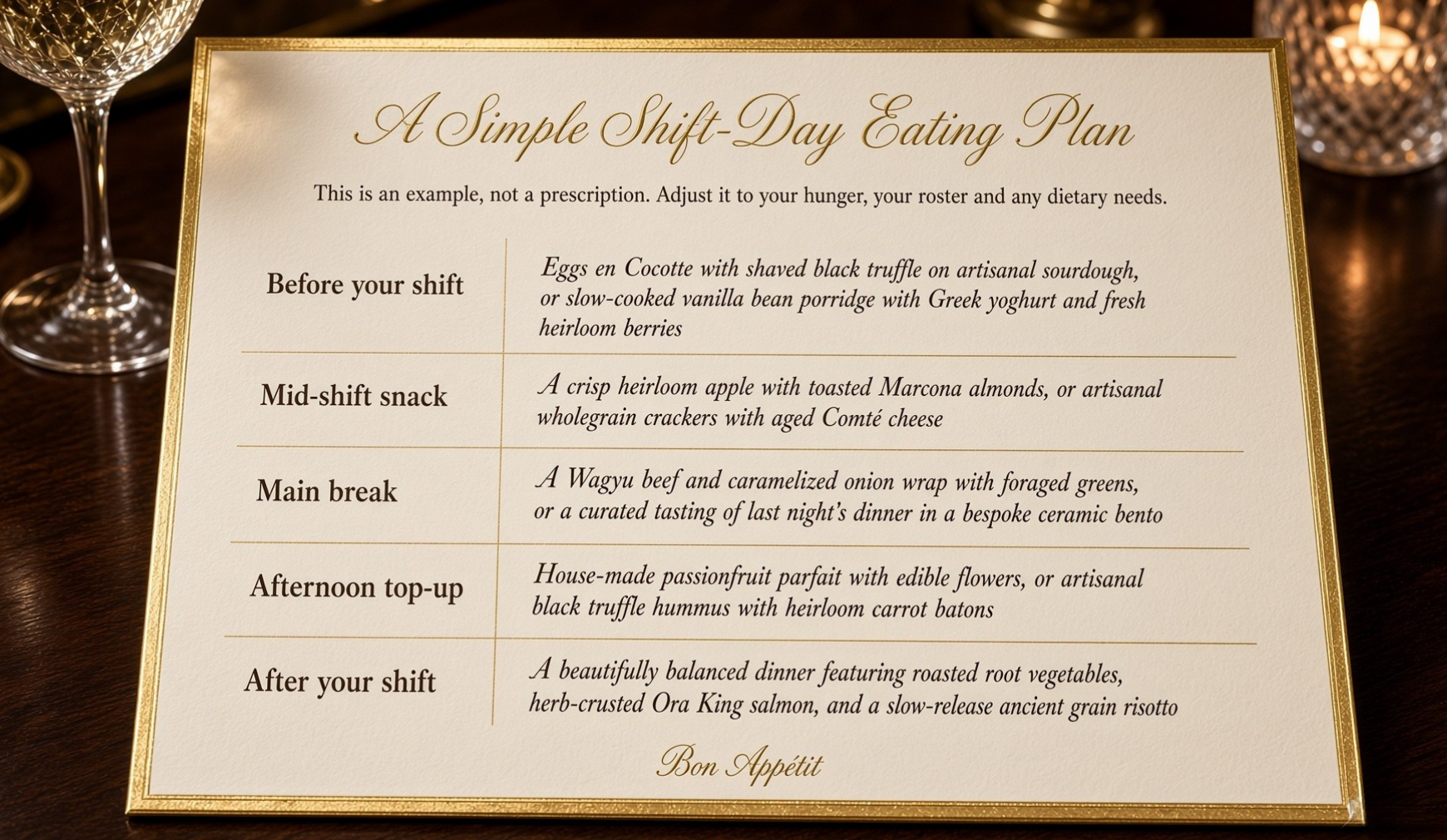
A simple shift-day eating plan
This is an example, not a prescription. Adjust it to your hunger, your roster and any dietary needs.
On nights, keep the same rhythm: a meal before you start, a lighter meal or snack around the middle of the shift, and a light breakfast before you sleep. Keep water close all shift. ⟱
When to get advice
See your GP or an accredited practising dietitian if you feel tired for weeks despite eating and sleeping well, if your weight changes without trying, or if you have diabetes, kidney disease, a food allergy or another condition that affects what you can eat.
If food feels stressful or out of control, or you find yourself restricting, bingeing or worrying constantly about eating, please speak to your GP. The Butterfly Foundation helpline is on 1800 33 4673.
Call 000 if someone has a severe allergic reaction, collapses or cannot be woken.
Food is not a reward. It is part of the job.
You would never ask a patient to go twelve hours without fuel. Give yourself the same care, one meal and one snack at a time.


Fuel is not a reward. It is part of the job.
Patricia Maris, Founder, e7D-Wellness
Where does your wellbeing stand?
Nutrition is one of the eight pillars of wellbeing in Maris Metrics, alongside Willpower, Breathing, Hydration, Thoughts, Movement, Rest, and Sexual Vitality. If you are not sure where the strain is building up, start with our free compassion fatigue assessment. It takes about 8 to 10 minutes, is private, and shows you where to begin.
Start free assessment (button in the sidebar card)
Key Takeaways
Aim for steady energy: regular meals and snacks with protein, fibre and slow-release carbohydrates.
Build plates from the five food groups, with plenty of vegetables, wholegrains and variety.
Get nutrients from food first, and speak to a GP or dietitian before taking supplements.
Plan ahead for busy shifts: pack a meal and a snack, and keep water close.
Persistent tiredness or a stressful relationship with food needs a health professional.
View Recommended Resources
General information only. It is not a substitute for professional advice. If you have a medical condition, an allergy or special dietary needs, follow your doctor's or



 Thoughts







 Hydration