


 Thoughts
Healthcare asks you to stay calm, focused and kind for hours, often with little time to recover. Self-awareness is a simple, low-cost practice that can help: take a few minutes to notice your breath, your body, and your thoughts, on purpose and without judgement.
This article covers what it is, what research suggests about stress, resilience, and focus, and a three-minute reset you can try today. It is the first of two. The second covers sleep, the body and building the habit.
What self-awareness is
A practice with deep roots. Practices for building self-awareness go back thousands of years, with roots in ancient Indian traditions. They spread across Asia and reached the West in the 19th century. Today they are widely taught in a secular form, often called mindfulness.
How it works. You rest your attention on one anchor, usually the breath, and gently return to it each time your mind wanders. Slow, steady breathing also tends to settle the body. This is often described as the "relaxation response".
This is general information. It is not a treatment, and it does not replace professional care.


Reason 1: Stress relief
What it does. A self-awareness practice doesn't remove job pressures. It can change how you meet them. Slow breathing and present-moment focus can ease the body's stress response and quiet the cycle of worry about what has happened or what is still to come.
Why it matters. Stress that never settles wears down patience, sleep and judgment. A few calm minutes between tasks give your system a chance to reset.
What helps. Start small. Even two or three minutes of slow breathing after a difficult task is a useful beginning.
Reason 2: Emotional wellbeing and resilience
What it does. Resilience is your ability to recover from hard days. It is not toughness, and it is not pretending you are fine. Regular practice helps you notice feelings earlier, so you can respond rather than be driven by them. Research has linked mindfulness-based practice with lower anxiety and better mood for some people.
Why it matters. Clinicians carry other people's pain every shift. Noticing your own reactions is the first step in caring for them.
What helps. Name what you feel in a word or two, such as "tense" or "sad", and breathe out slowly. No fixing is needed. If anxiety or low mood lasts, speak to your GP or a support service. Nurse and Midwife Support is on 1800 667 877, and Lifeline is on 13 11 14. Doctors can also contact their state doctors' health service.
Reason 3: Focus and clarity
What it does. Resting attention on one point, then bringing it back when it drifts, is a workout for attention. Some brain-imaging studies suggest regular practitioners differ in areas linked to attention and stress responses, though the research is still developing.
Why it matters. Diagnosis, medication rounds and handover all depend on a clear head. A calmer mind is better placed to notice what matters.
What helps. Take one slow breath before entering a patient's room or picking up a new task. It is small, but it adds up.
Why it fits a healthcare day
Short and portable. It needs no equipment. You can do it at a desk, in a parked car or in a quiet corridor.
Not a fix for the system. Self-awareness helps you cope, but it doesn't replace safe staffing, protected breaks, or supportive leaders. Both matter.
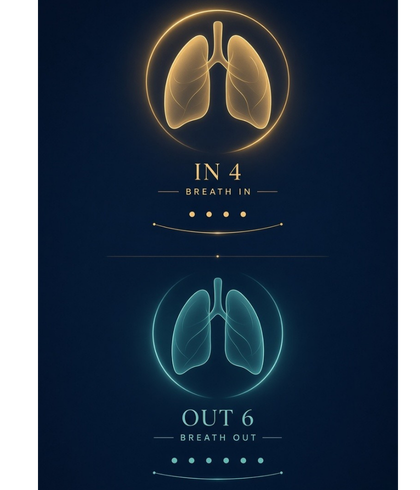
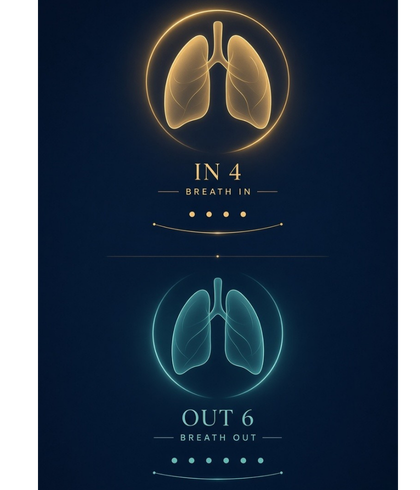
A three-minute reset
Sit comfortably with your feet flat on the floor.
Breathe in through your nose for a count of four, and out slowly for a count of six. Repeat for six breaths.
Rest your attention on the feeling of the breath. When your mind wanders, silently say "thinking" and return to the breath.
Finish by noticing your feet on the floor and one sound around you.
If sitting quietly brings up distress, stop and open your eyes. Speak to a health professional if it keeps happening.


Purpose Begins the Moment You Decide Today Counts
Some days in healthcare feel like they only ask for more. More hours, more patients, more of yourself. It is easy to put your own purpose on hold until the roster eases or things settle down.
But purpose doesn’t wait for a quieter week. It starts with a single decision: that today counts, and so do you. This is a short pause to reset and ask what would make today feel like yours.


“Purpose is not found at the end of a long search. It begins the moment you decide that today counts.”
PM
Where does your wellbeing stand?
Self-awareness sits within Thoughts, one of the eight pillars of wellbeing in Maris Metrics, alongside Willpower, Breathing, Hydration, Nutrition, Movement, Rest and Sexual Vitality. If you are not sure where the strain is building up, start with our free compassion fatigue assessment. It takes about 8 to 10 minutes, is private, and shows you where to begin.
Start free assessment (button in the sidebar card)
Key Takeaways
Self-awareness is paying attention, on purpose and without judgement, to your breath, body and thoughts.
It does not remove stress, but it can change how you respond to it.
Noticing your feelings early supports resilience.
Training your attention can help you stay clear and present in demanding moments.
Start with three minutes. Persistent distress needs professional support.
View Recommended Resources
Sources: General information only. It is not a substitute for professional advice.



 Hydration





 Sexual Vitality