




 Thoughts
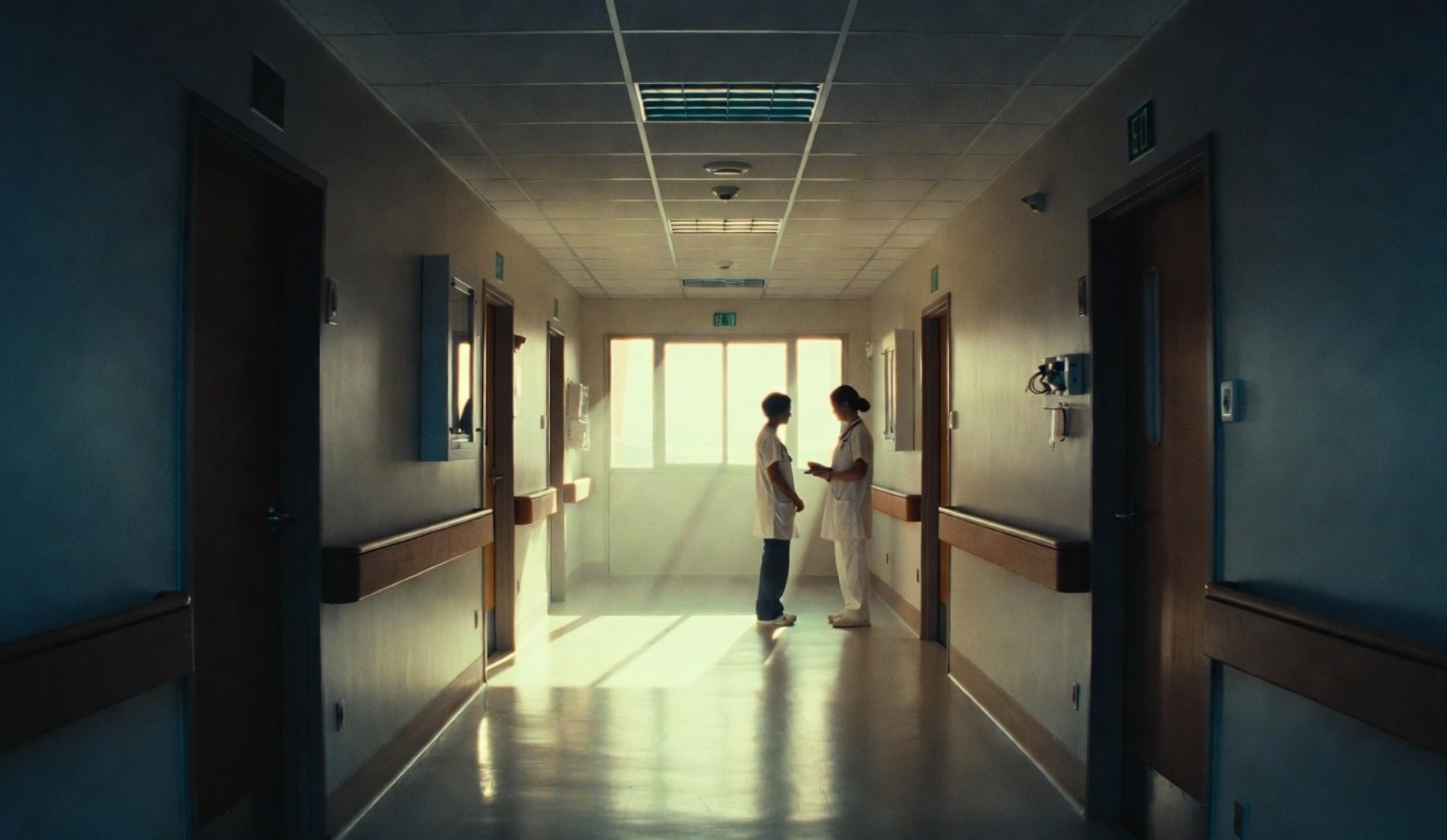
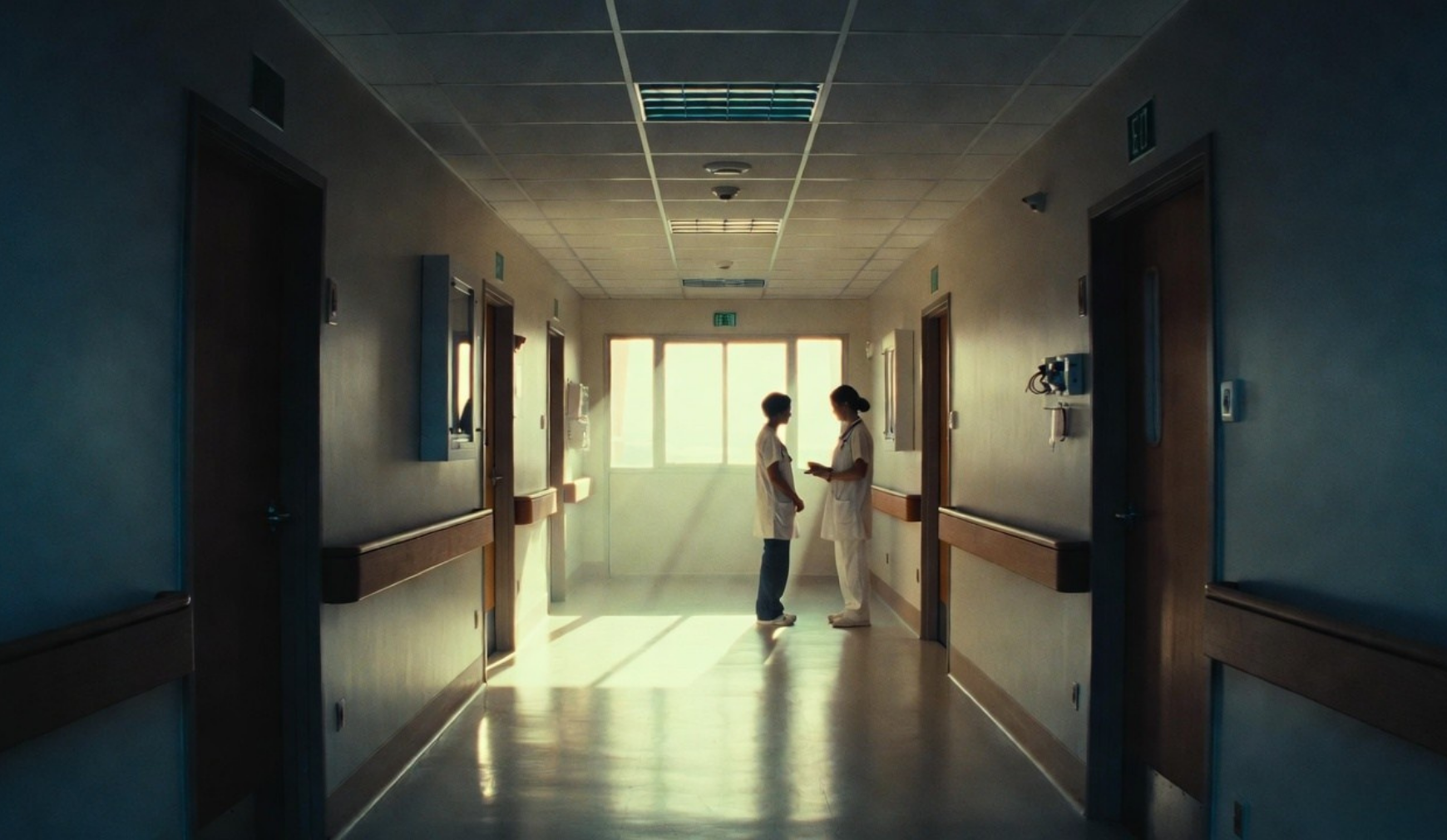
It is 3 a.m. You are exhausted, yet your mind is back on the ward, replaying a case, a word, a what-if. Almost every clinician knows this loop. The Thoughts pillar is the mental engine.
behind every shift, and like any pillar, it can be trained. This article shows how to notice the spiral, reframe it, settle your body, and bring that calm back to work with you.
Why the spiral starts
A mind built to scan for risk. Clinicians are trained to anticipate what could go wrong.
That habit protects patients on shift. At night, with no task to occupy it, the same habit
can turn into replaying and worry.
Tired minds spiral more. Poor sleep makes it harder to manage emotions, which can feed
the loop and, in turn, cost you more sleep. It is not weakness. It is a pattern, and patterns
can be changed.


Know the early signs.
Restlessness, harsh self-talk, replaying a conversation, or dread
before the next shift are early signals. Over time, unprocessed thoughts like these can
add to stress and compassion fatigue. You are not alone: most clinicians face this.
Reframing.
Reframing is not pretending a hard shift went well. It is changing the angle so you can
learn without shame. A shift that felt chaotic still held care you gave and difficulty you
handled.


Catch the thought. Notice it as it arrives: "I handled that badly."
Check it. Ask what a colleague would say if they heard it. Is it a fact, or a feeling?
Rewrite it. "That was hard, and I can learn from it.
Choose words you can believe.
When a patient interaction does not go as planned, treat it as information, not a verdict on you.
Breathe before you think.
When your mind races, your body usually does too. Slowing your breath signals your nervous system to settle, often making it easier to think clearly.
Try six slow breaths. Breathe in through your nose for 4 seconds and out through your mouth for 6. Repeat six times. That is one minute.
Research links slow breathing to lower stress, although many studies are small and results vary. Treat it as a tool you can reach for, not a cure. Our breathing article has more.
Resilience you can train
Resilience is not only bouncing back. It is the ability to keep adapting under pressure, and it grows with regular practice. Programs for healthcare workers often include reflection, cognitive reframing, and ways to rehearse stressful situations in advance.
Reviews find small benefits from these programs, and the evidence quality is mixed. So pick something simple you will keep doing, like a five-minute reflection after a shift, and do it often.
A 3 a.m. script
When the spiral starts, you do not need a perfect technique. You need a short, repeatable script.
Name it. Say silently: "I am having the thought that..." and finish the sentence. Naming a thought puts a little distance between you and it.
Park it. Write the worry on paper, along with your top three tasks for tomorrow. In one small study, writing a to-do list before bed helped people fall asleep faster.
Breathe. Take six slow breaths, 4 in and 6 out.
Get up if you need to. If you are still awake after about 20 minutes, get up, keep the light low and do something quiet. Go back when you feel sleepy.
If low mood or sleepless nights go on for weeks, speak to your GP. Ongoing support is available for clinicians who need more than self-help strategies: consider reaching out to a mental health professional, your employee assistance program, or a trusted senior colleague. If you have had thoughts of harming yourself, please talk to someone today: Lifeline 13 11 14, Beyond Blue 1300 22 4636, Nurse & Midwife Support 1800 667 877, or call 000 in an emergency.
Leading the ward calmly
Your state does not stay with you. On a busy ward, people read each other's cues: your pace, your tone, your face. A steady mind helps the whole team.
Slow your pace. Take one slow breath before you walk into a tense room.
Say it out loud. "This is a heavy shift. Let's take it one patient at a time." Naming pressure often lowers it.
Check in at handover. Add "How are you going?" to the handover, the way you would ask about a patient's pain.
Teams where people feel safe speaking up learn from mistakes more openly (Edmondson, 1999). A calm leader makes that safety easier to build.


The thought is not the verdict.
Almost every clinician knows the replay: a case, a word, a what-if, running on a loop long after the shift ends. You cannot always stop the thought, but you can choose how much weight to give it.


You cannot always stop the thought at 3 a.m. You can stop obeying it.
Patricia Maris, Founder, e7D-Wellness
Where does your wellbeing stand?
Thoughts are one of the eight pillars of wellbeing in MarisMetrics, alongside Willpower, Breathing, Hydration, Nutrition, Movement, Rest, and sexual vitality. MarisGraph maps all eight in about 20 minutes and shows you which pillar needs attention first.
Start a free assessment (button in the sidebar card)
Key Takeaways
The 3 a.m. spiral is a common pattern, not a weakness, and patterns can be changed.
Reframing changes the angle without denying what happened.
Six slow breaths, 4 in and 6 out, take one minute and can settle a racing mind.
Write it down, name it and get up if you cannot sleep: a simple 3 a.m. script.
A calm clinician helps the whole team feel steadier.
View Recommended Resources
Edmondson A. Psychological safety and learning behaviour in work teams. Administrative Science Quarterly, 1999; 44(2): 350–383. Kunzler AM, et al. Psychological interventions to foster resilience in healthcare professionals. Cochrane Database of Systematic Reviews, 2020; (7): CD012527. Levin ME, et al. The impact of treatment components suggested by the psychological flexibility model: a meta-analysis of laboratory-based component studies. Behaviour Therapy, 2012; 43(4): 741–756. Scullin MK, et al. The effects of bedtime writing on difficulty falling asleep. Journal of Experimental Psychology: General, 2018; 147(1): 139–146. Zaccaro A, et al. How breath control can change your life: a systematic review on psycho-physiological correlates of slow breathing. Frontiers in Human Neuroscience, 2018; 12: 353. General information only. It is not a substitute for professional advice.



 Sexual Vitality




 Hydration




 Willpower




 Breathing
